
If there’s a book that you want to read, but it hasn’t been written yet, then you must write it.
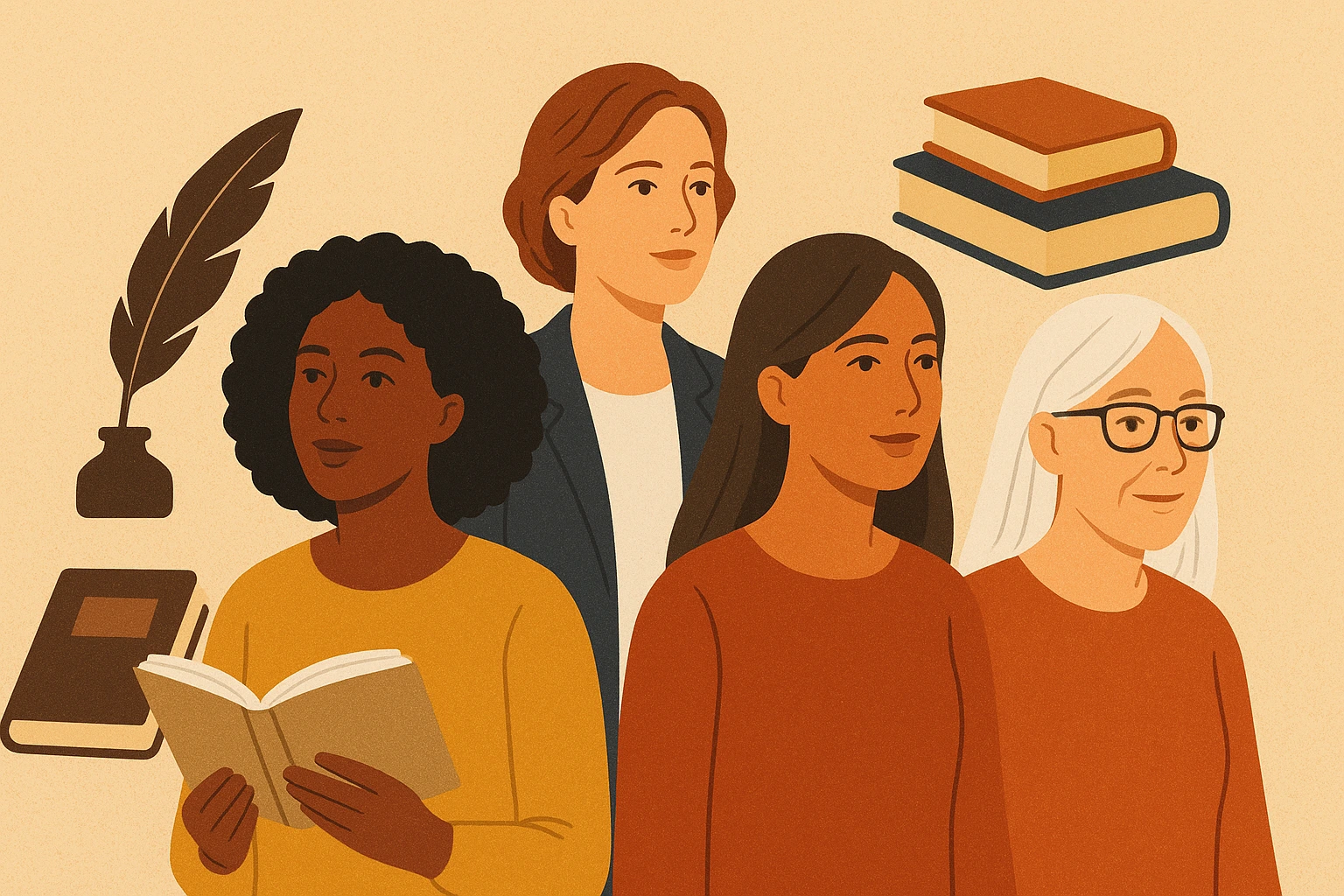
In recent years, the literary world has witnessed a powerful transformation led by women authors who are reshaping the way stories are told, shared, and remembered. Their profound influence spans genres, cultures, and generations, challenging outdated conventions and elevating voices that were long underrepresented. Today, woman authors redefining literature is more than a trend—it is a cultural shift that is rewriting the future of storytelling.
Breaking Away From Traditional Narratives
Historically, literature often mirrored a narrow range of experiences, leaving countless perspectives unheard. Women authors have disrupted this pattern by offering narratives rooted in authenticity, emotional depth, and lived experience. They write stories that embrace vulnerability, resilience, identity, and empowerment—stories that resonate deeply with readers across the globe.
From contemporary fiction to speculative fantasy, women are bending genres and blurring boundaries. Their characters are complex, flawed, multidimensional, and real. These narratives challenge stereotypes and invite readers to reconsider the roles women play both in literature and in life.
Championing Diversity and Representation
One of the most significant contributions of women authors today is their dedication to inclusivity. Authors from varied cultural, ethnic, and social backgrounds are bringing underrepresented voices to the forefront. This wave of storytelling ensures that literature reflects the world more honestly and expansively.
Through their work, women address topics such as identity, race, gender, sexuality, mental health, and social inequality. They do so with nuance and sensitivity, turning books into powerful tools for awareness, empathy, and change. Readers who once struggled to see themselves in stories can now find protagonists who share their struggles and dreams.
Expanding Genres and Innovating Form
Women authors are not only claiming space—they’re reshaping it. Many are pushing literary boundaries through experimental forms, hybrid genres, and bold new structures. In speculative fiction and fantasy, they are creating new worlds that challenge societal norms while still offering deeply human stories. In poetry and memoir, they reinvent style and language, blending the lyrical with the raw.
This creative innovation demonstrates the limitless potential of literature when authors feel free to explore and disrupt. Modern literature is richer, more daring, and more imaginative because of these contributions.
Driving Social and Cultural Conversations
Storytelling has always been a force for social reflection, and women authors are using it to spotlight issues that demand attention. Their work often confronts themes like gender inequality, cultural marginalization, environmental concerns, and political injustice.
Books by women have sparked online movements, book club revolutions, and cross-cultural discussions. Their influence extends beyond pages into classrooms, communities, and social platforms, making literature a living, breathing part of social activism.
Many of these authors speak openly about their writing process, their identities, and their struggles, creating deeper connections with readers. As the celebrated author Toni Morrison once said, “If there’s a book that you want to read, but it hasn’t been written yet, then you must write it.” This spirit reflects the heart of modern women’s literature today.
Empowering Future Generations of Writers
The rise of women authors has created a ripple effect, inspiring young writers to take risks, embrace their voices, and pursue creative careers. With more women authors winning major literary awards, securing bestseller status, and earning global recognition, aspiring writers see that their stories matter.
Mentorship programs, online writing communities, and literary festivals are further nurturing emerging talent. Women supporting women—through collaboration, encouragement, and visibility—is redefining the literary ecosystem.
Influencing Publishing and Media Adaptations
The publishing industry itself is evolving thanks to the impact of women authors. Publishers increasingly seek diverse manuscripts, while readers demand stories that reflect real-world complexity. This shift has led to more inclusive editorial teams, imprints dedicated to marginalized voices, and marketing strategies that celebrate variety.
Additionally, film and television adaptations of books by women authors are on the rise. These adaptations amplify the reach of their stories, bringing important narratives to millions who may not have encountered the books yet.
Conclusion
The rise of woman authors redefining literature represents a transformative cultural moment—one fueled by creativity, authenticity, and courage. Their contributions are reshaping the literary landscape, expanding representation, inspiring new voices, and deepening our collective understanding of the world.
As women continue to break barriers and innovate, modern literature will keep evolving—becoming more inclusive, imaginative, and reflective of humanity’s diverse stories. Their impact is undeniable, their voices essential, and their legacy only beginning.